Transcranial Magnetic Stimulation Treatments for Patients with Dementia
Understanding TMS in Simple Terms

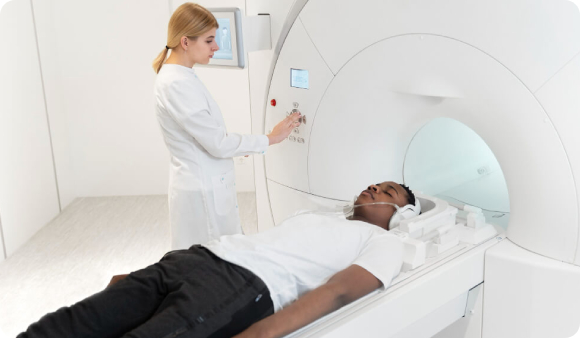
Transcranial Magnetic Stimulation (TMS) is a non-invasive medical procedure that uses magnetic fields to stimulate nerve cells in the brain. It is used to treat various neurological conditions, including dementia, which affects memory, thinking, and social abilities severely enough to interfere with daily life.
Dementia is a term used to describe a group of symptoms affecting memory, thinking, and social skills. It is caused by damage to brain cells, which affects their ability to communicate with each other. Alzheimer’s disease is the most common cause of dementia. Other types include vascular dementia, Lewy body dementia, and frontotemporal dementia.
Transcranial Magnetic Stimulation (TMS) involves placing a magnetic coil near the scalp, usually on the left side of the head. This coil generates magnetic pulses that pass through the skull and into the brain. These pulses stimulate nerve cells in the brain, which can help improve symptoms of dementia.
When the magnetic pulses reach the brain, they create small electrical currents in the targeted area. These currents can activate nerve cells that may be underactive in patients with dementia. The activation of these cells can improve brain function in areas affected by dementia.
The TMS treatment involves several steps:
The patient sits in a comfortable chair, and the doctor places the magnetic coil on their scalp.
The machine generates magnetic pulses that stimulate the brain. The patient may hear clicking sounds and feel a tapping sensation on their scalp.
Each TMS session lasts about 30 to 60 minutes, and patients usually need multiple sessions over several weeks.
TMS can provide several benefits for patients with dementia:
TMS can enhance memory, attention, and problem-solving skills.
Patients may experience fewer symptoms of dementia, such as confusion and difficulty communicating.
TMS is a non-surgical treatment that does not require anesthesia or have significant recovery time.

While TMS is generally safe, some patients may experience mild side effects, including:
These side effects are usually temporary and go away shortly after the treatment.