Understanding the Benefits of Photobiomodulation for Dementia Patients

A Simple Explanation

Photobiomodulation (PBM) may sound like a complex term, but it refers to a therapy that uses light to improve brain function. Imagine gentle beams of light shining on your skin or scalp, working quietly to help heal and rejuvenate cells in the body. This non-invasive treatment has shown promise in helping people living with dementia—a condition that affects memory, thinking, and overall cognitive abilities.
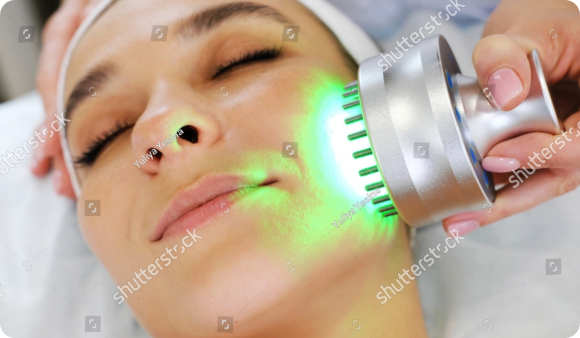
Revive Clinics Far Infrared therapy in Tampa Bay, FL. Fast, non-invasive infrared light treatment for brain health.

What Is Photobiomodulation?

PBM involves using specific wavelengths of light, typically red or near-infrared, which can penetrate the skin and reach tissues deep within the body. Instead of heat or harm, this light brings energy to the cells, helping them work more efficiently. Think of it like giving your body’s cells a little “boost” to help them perform better.

How Does Photobiomodulation Help Dementia Patients?

For people with dementia, the brain often struggles with reduced blood flow, inflammation, and damaged cells. PBM therapy offers several benefits:

Improved Blood Flow

PBM helps improve circulation in the brain. Better blood flow means the brain gets more oxygen and nutrients, which are essential for keeping it healthy and functioning well. It’s like giving the brain “fresh air” to help it work harder and smarter.

Reduced Inflammation

Inflammation in the brain can make it harder for nerve cells to communicate, which affects memory and thinking. PBM has been shown to reduce inflammation, creating a healthier environment for brain cells to thrive.

Enhanced Cellular Repair

When brain cells are damaged, they need help to repair themselves. PBM stimulates the mitochondria (the “powerhouse” of cells), helping them produce more energy. This energizes the brain cells and supports their ability to recover and rebuild.

Improved Cognitive Function

Studies show that PBM therapy may improve memory, focus, and overall thinking abilities in people with dementia. While it’s not a cure, it can help patients retain a better quality of life and perform everyday tasks more effectively.

Why Is Photobiomodulation Safe?

PBM is non-invasive, meaning there are no needles, drugs, or surgeries involved. Patients simply wear devices that emit the light, such as caps or helmets, or use handheld tools focused on specific areas. There’s no pain, and side effects are very rare, making it a gentle option for those who might already feel vulnerable or overwhelmed by their condition.

Potential and Hope

While research is still ongoing, photobiomodulation holds hope for dementia patients and their families. By supporting brain health in a natural and non-invasive way, PBM therapy could improve day-to-day life for those battling this challenging condition.
In essence, photobiomodulation is like shining a helpful light on the brain, giving it the energy it needs to heal and function better. It may not be a magic cure, but for many patients, it could be a bright spot in their journey with dementia.

About Us

Welcome to Revive Clinic, where expertise meets compassion to deliver unmatched care for neurocognitive and neurovascular conditions.

Quick Links
  • Home
  • About Us
  • Our Services
  • Our Blogs
  • Contact Us
Our Services
  • Memory Disorders
  • Neurovascular Complications
  • Movement Disorders
  • Traumatic Brain Injuries
  • Chronic Sleep Disorders
  • Mild Cognitive Impairment
Contact Us

© 2025, Revive Clinic. All Rights Reserved.

error: Content is protected !!