Cell Factors Therapy and Regenerative Protein Array

An Innovative Approach By Living Sciences, Dallas, Texas

Logo for Creyos. Digital testing for dementia.

Introduction

Cell factors therapy represents a groundbreaking method in regenerative science, aiming to harness the body’s intrinsic capacity to heal and regenerate. This innovative treatment involves the use of cellular factors, which are molecules that have the potential to heal. Living Sciences, based in Dallas, Texas, has made significant strides in this field, offering advanced therapeutic options to patients worldwide.

Cell Factors Therapy

Cell factors therapy utilizes molecules derived from the body’s own cells or from donor cells that have the potential to encourage natural healing and repair. The therapy involves isolating these potent molecules and delivering them to the targeted area, which may aid in the healing process.
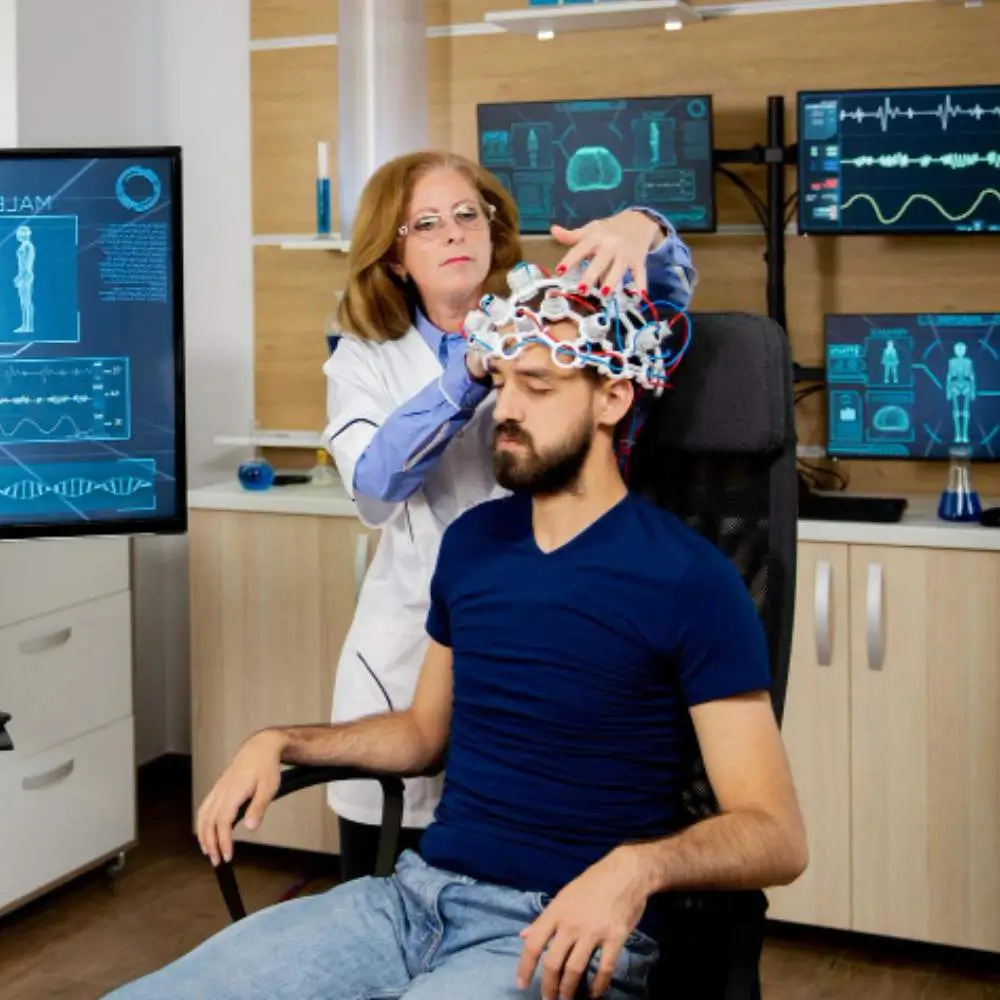
Cognitive care expert explains how EEG testing works to detect dementia, Alzheimer's, and memory loss disorders.

Regenerative Protein Array

The regenerative protein array is another cutting-edge technology developed by Living Sciences. This technology involves the systematic arrangement of various proteins that play a critical role in tissue regeneration. By analyzing and utilizing these proteins, Living Sciences can develop personalized treatment plans that target specific regenerative needs.

Features of Regenerative Protein Array:

  • Protein Profiling: Identifying and quantifying the proteins involved in the regenerative process.
  • Targeted Therapy: Customizing treatment plans based on the specific interventions required for an individual’s regenerative needs.
  • Enhanced Healing: Accelerating the healing process by providing the proteins to potentially enhance tissue repair and regeneration.

Benefits of Using Creyos for Dementia Testing

TMS can provide several benefits for patients with dementia:

Improved Cognitive Function

TMS can enhance memory, attention, and problem-solving skills.

Reduced Symptoms

Patients may experience fewer symptoms of dementia, such as confusion and difficulty communicating.

Non-Invasive

TMS is a non-surgical treatment that does not require anesthesia or have significant recovery time.
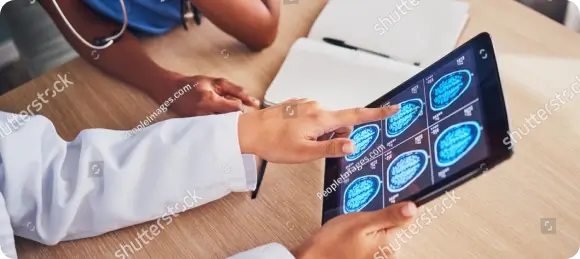
Neurocognitive testing in Tampa helps detect dementia and other cognitive disorders early.

Potential Side Effects

While TMS is generally safe, some patients may experience mild side effects, including:

  • Mild Headache
  • Scalp discomfort
  • Tingling or twitching of facial muscles
  • Lightheadedness

These side effects are usually temporary and go away shortly after the treatment.

Who Can Benefit from TMS?

TMS is most effective for patients with mild to moderate dementia. It may not be suitable for everyone, particularly those with severe dementia or other medical conditions. A doctor will assess each patient’s suitability for TMS.

Conclusion

Transcranial Magnetic Stimulation (TMS) offers a promising treatment option for patients with dementia. By using magnetic pulses to stimulate brain cells, TMS can improve cognitive function and reduce symptoms. While it is not a cure for dementia, it can significantly enhance the quality of life for many patients. If you or a loved one is affected by dementia, consult with a healthcare provider to explore whether TMS might be a viable treatment option.

About Us

Welcome to Revive Clinic, where expertise meets compassion to deliver unmatched care for neurocognitive and neurovascular conditions.

Quick Links
  • Home
  • About Us
  • Our Services
  • Our Blogs
  • Contact Us
Our Services
  • Memory Disorders
  • Neurovascular Complications
  • Movement Disorders
  • Traumatic Brain Injuries
  • Chronic Sleep Disorders
  • Mild Cognitive Impairment
Contact Us

© 2025, Revive Clinic. All Rights Reserved.

error: Content is protected !!